

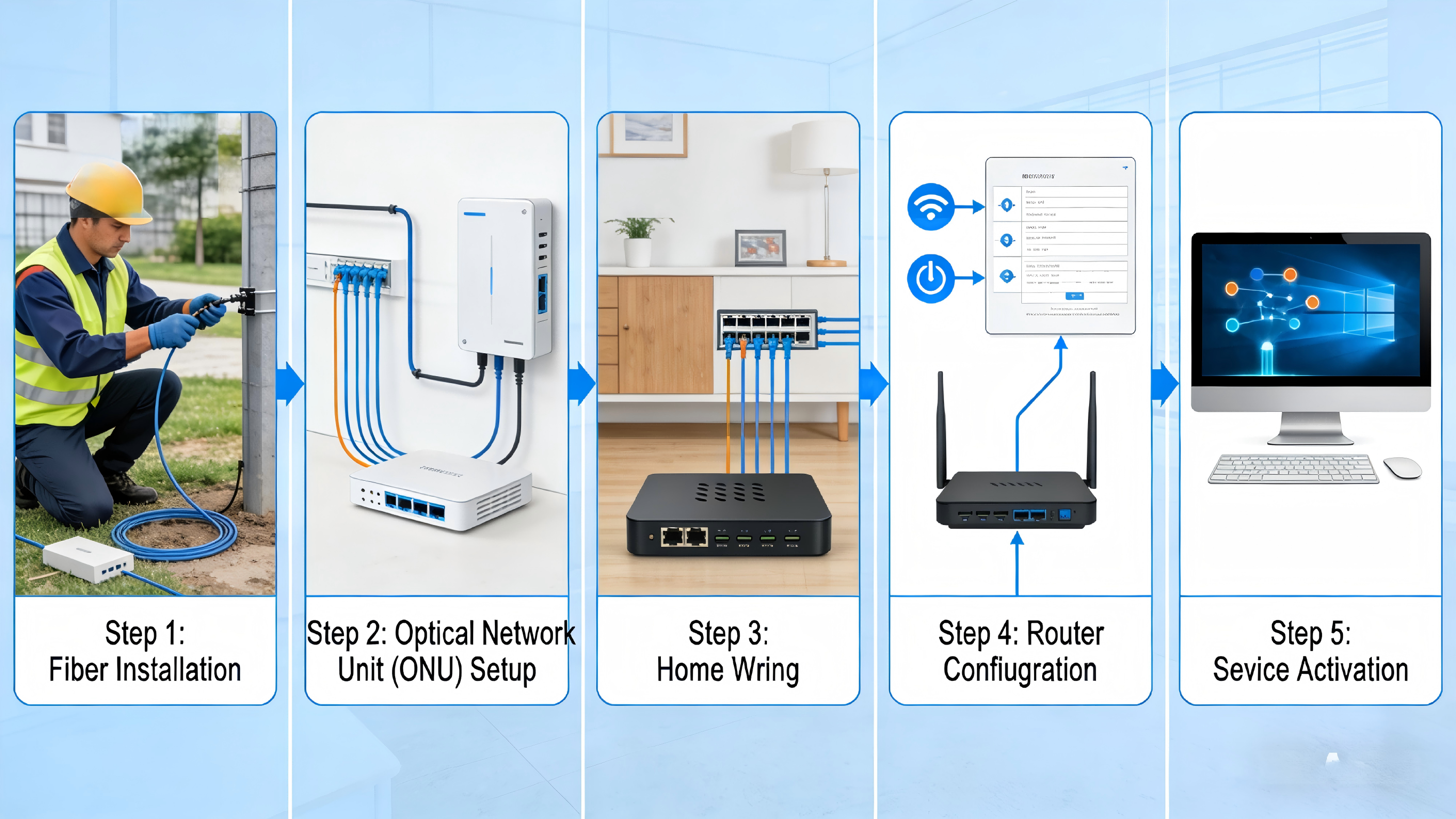
In today’s Internet times, our daily life cannot be separated from the network. Mobile phones, computers, TVs, and all kinds of smart home devices all rely on the network to work properly. At present, most networks transmit data through optical fibers: data is first converted from electrical signals into optical signals, transmitted through optical fibers, and finally reaches thousands of households.
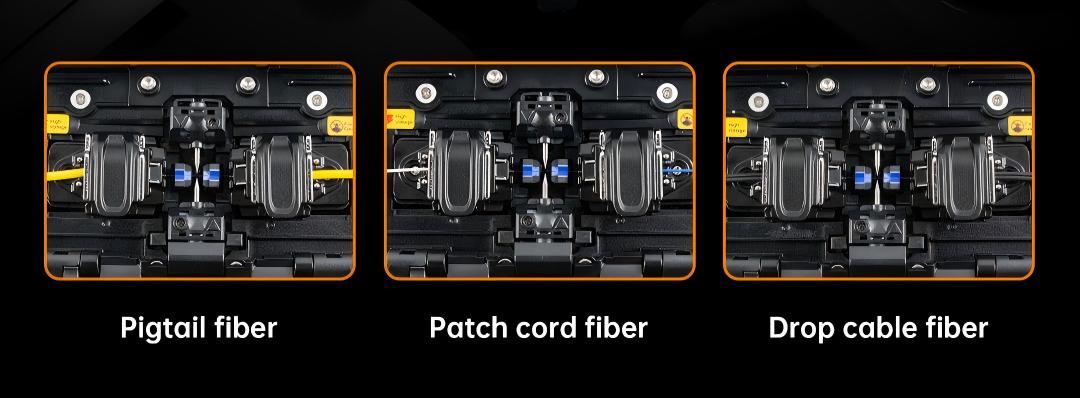
To connect optical fibers in different transmission links, an optical fiber fusion splicer is required. It can connect many types of optical fibers, including drop cables, patch cords, pigtails, bare fibers, and so on.
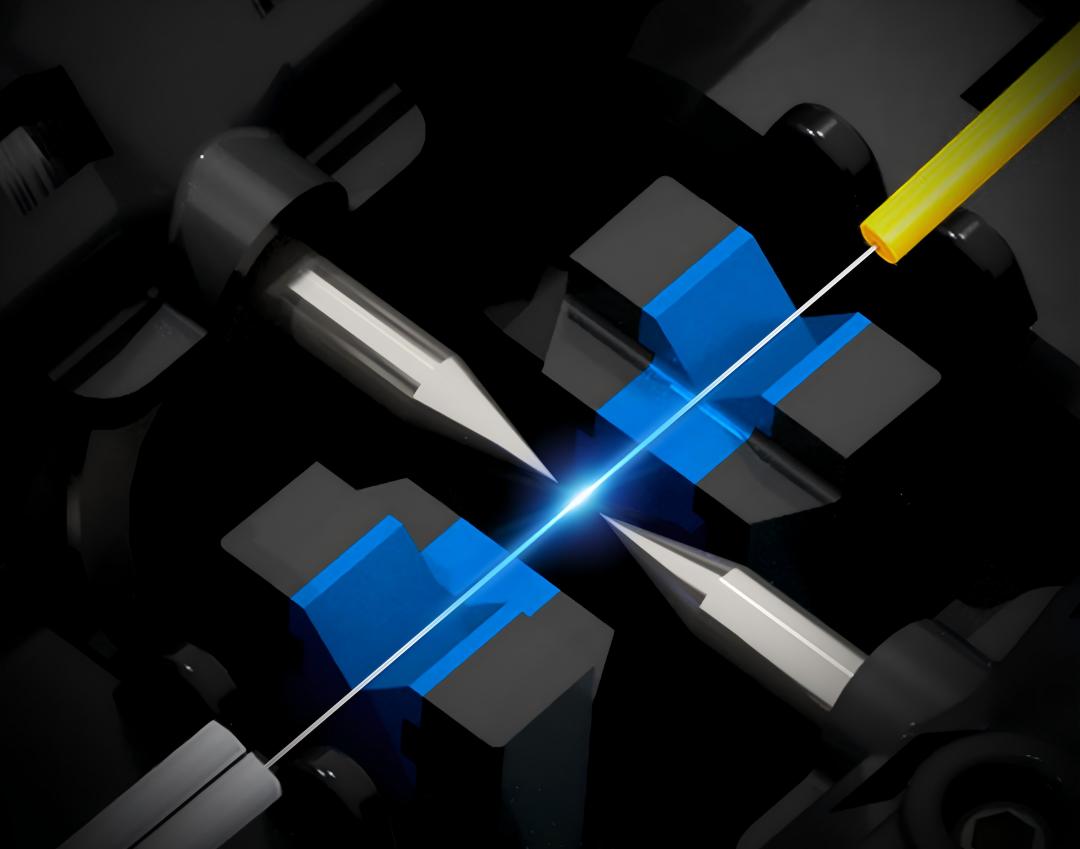
Optical fibers are made of extremely fine glass fiber, which is thin and brittle. Unlike electrical wires, they cannot be connected by twisting directly. To achieve a stable connection between two optical fibers, the two ends must be melted at high temperature and then spliced together.
The working principle of the optical fiber fusion splicer is simple: it generates high temperature by releasing high voltage to instantly melt the ends of two optical fibers. With its precise alignment system, the two optical fibers are accurately aligned and fused together, realizing a seamless connection and ensuring smooth transmission of optical signals.
